
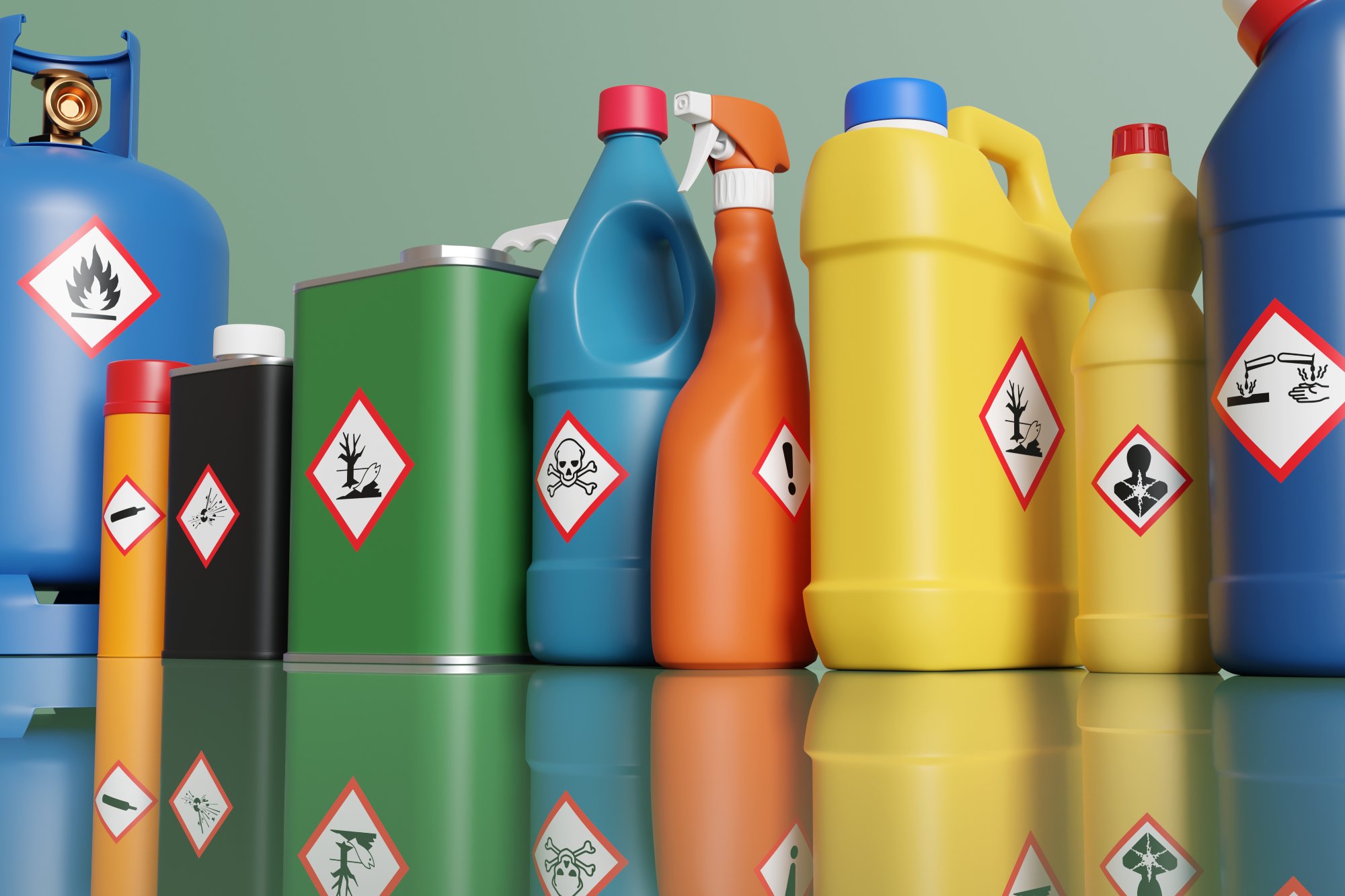
For organisations handling hazardous substances, chemical storage is already governed by well-established regulatory frameworks. What has shifted in recent years is the level of scrutiny applied to how those requirements are interpreted and implemented in practice. Insurers, auditors, regulators and customers increasingly expect storage systems to demonstrate compliance on paper alongside consistency, resilience and proportional risk control across manufacturing and warehousing environments.
This article looks beyond baseline chemical storage regulations to examine current industry expectations for chemical storage in manufacturing and warehousing. We will focus on how storage areas, containers, quantities and procedures are assessed in real operational settings, and identify where decision makers can strengthen performance through better chemical industry packaging and logistical choices, without adding unnecessary complexity.
The regulatory landscape shaping chemical storage in the UK
While UK chemical storage regulations provide a clear legal framework, including COSHH, DSEAR and environmental permitting requirements, industry expectations are shaped by how those obligations are interpreted by regulators, insurers and customers. In practice, compliance is rarely assessed in isolation. Instead, it is evaluated through the combined lens of health and safety legislation, environmental protection duties and operational risk management.
Audits and inspections often focus on whether bottles and storage arrangements reflect the real risks presented by the substances on site. This includes how hazardous substances are segregated, whether chemical storage areas are appropriate for the hazard class involved and whether control measures remain effective as volumes, formulations or storage durations change.
From a commercial perspective, reliable container performance reduces product loss from leaks, contamination or degradation, limits unplanned downtime caused by storage failures and lowers the likelihood of corrective action following audits or incidents. Chemical containers that consistently demonstrate control throughout production, shipping and end use have a direct effect on profitability.
Hazard classes and storage expectations beyond the label
Most organisations handling hazardous chemicals are well versed in classification. What increasingly differentiates good practice is how hazard class is translated into container selection.
Flammable liquids and flammable substances introduce expectations around vapour management, ignition source control and compatibility with surrounding materials. Corrosive substances and corrosive chemicals bring different concerns, particularly around long-term container integrity, leak prevention and secondary containment.
Industry expectations extend beyond basic containment to include resistance to chemical exposure, impact and environmental stress. Containers must be appropriate for the hazard class of the substance, resistant to solvents, and safe from degradation during long periods of travel and storage.
Damaged containers represent a common failure point in chemical storage and handling procedures. Routine inspection, prompt replacement and access to spill kits are essential control measures. Preventing leaks and managing spill response effectively reduces both safety risks and operational disruption.
ce and clarity are important. For pharmaceuticals, however, HDPE remains the trusted choice due to its reliability and protection properties.
Quantity control and storage discipline
Although regulatory guidance often refers to storing only the minimum amount required, industry expectations have sharpened around how this principle is applied in practice. Excessive build up of substances, even where individually compliant, is increasingly questioned where it elevates risk without operational justification.
The distinction between small quantities used in day-to-day processes and bulk storage of raw materials or intermediates is particularly relevant. Bulk storage attracts higher expectations around secondary containment, overfilling prevention and inventory control.
From a commercial standpoint, disciplined storage quantities often correlate with reduced waste, fewer emergency interventions and more predictable production planning.
Chemical storage and handling procedures under scrutiny
Written chemical storage and handling procedures remain a baseline requirement, but industry expectations increasingly focus on how those procedures are reflected in day-to-day decisions around plastic bottle selection, use and management. In practice, this means assessing whether the storage equipment in use remains appropriate for the substances stored, the volumes handled and the conditions they are exposed to across manufacturing and warehousing operations.
Use of the safety data sheet is expected to be active rather than archival, informing decisions on bottle material, wall thickness, closure type and secondary containment. Risk assessment should not be static; it is expected to evolve as substances change, storage durations increase or bottles and packaging is moved between different environments, such as production areas, storage facilities and outbound shipping.
Organisations are expected to train employees to recognise early indicators of failure, including damaged bottles, compromised closures, deformation, leaks or inappropriate reuse. Access controls, such as locked cabinets, are assessed in terms of whether they meaningfully reduce risk associated with specific substances and bottle formats, rather than being applied uniformly across all storage scenarios.
Fire, explosion and environmental risk management
The need for hazardous material containers, or storage for flammable and combustible substances brings additional expectations around fire and explosion prevention. Managing flammable vapours, avoiding explosive atmospheres and controlling ignition sources are central to compliance with explosive atmospheres regulations.
Gas cylinders and other pressurised containers introduce further risks that require dedicated storage facilities and handling procedures. Environmental protection is also a consideration, with organisations expected to prevent contamination, manage run-off and protect surrounding areas from accidental release.
How CJK supports compliant chemical storage operations
CJK supplies a broad range of bottles, jerry cans and hazardous goods containers used across chemical manufacturing, processing and warehousing environments. This includes containers suitable for hazardous chemicals, flammable liquids and corrosive substances, as well as solutions designed for bulk storage and controlled dispensing.
CJK works with chemical firms as a packaging partner, offering:
- No minimum order quantity, supporting everything from small test volumes to full pallet loads.
- Fast and free UK dispatch, with products supplied from UK stock and free mainland delivery on orders over £120 net.
- Consistent availability, with large volumes of standard and UN-approved containers held in stock.
- Expert support on container selection, caps, secondary containment compatibility and compliance considerations.
- Samples available, so customers can test containers within their own storage systems before committing to volume orders.
Chemical storage standards in manufacturing and warehousing continue to evolve, driven by enforcement practice, insurance scrutiny and operational experience. Meeting chemical storage guidelines does not require over-engineering, but it does require informed choices around containers, quantities and procedures. For advice on this, and on selecting chemical packaging that protects your chemicals throughout production, transport, storage and beyond, speak to our expert team today.