
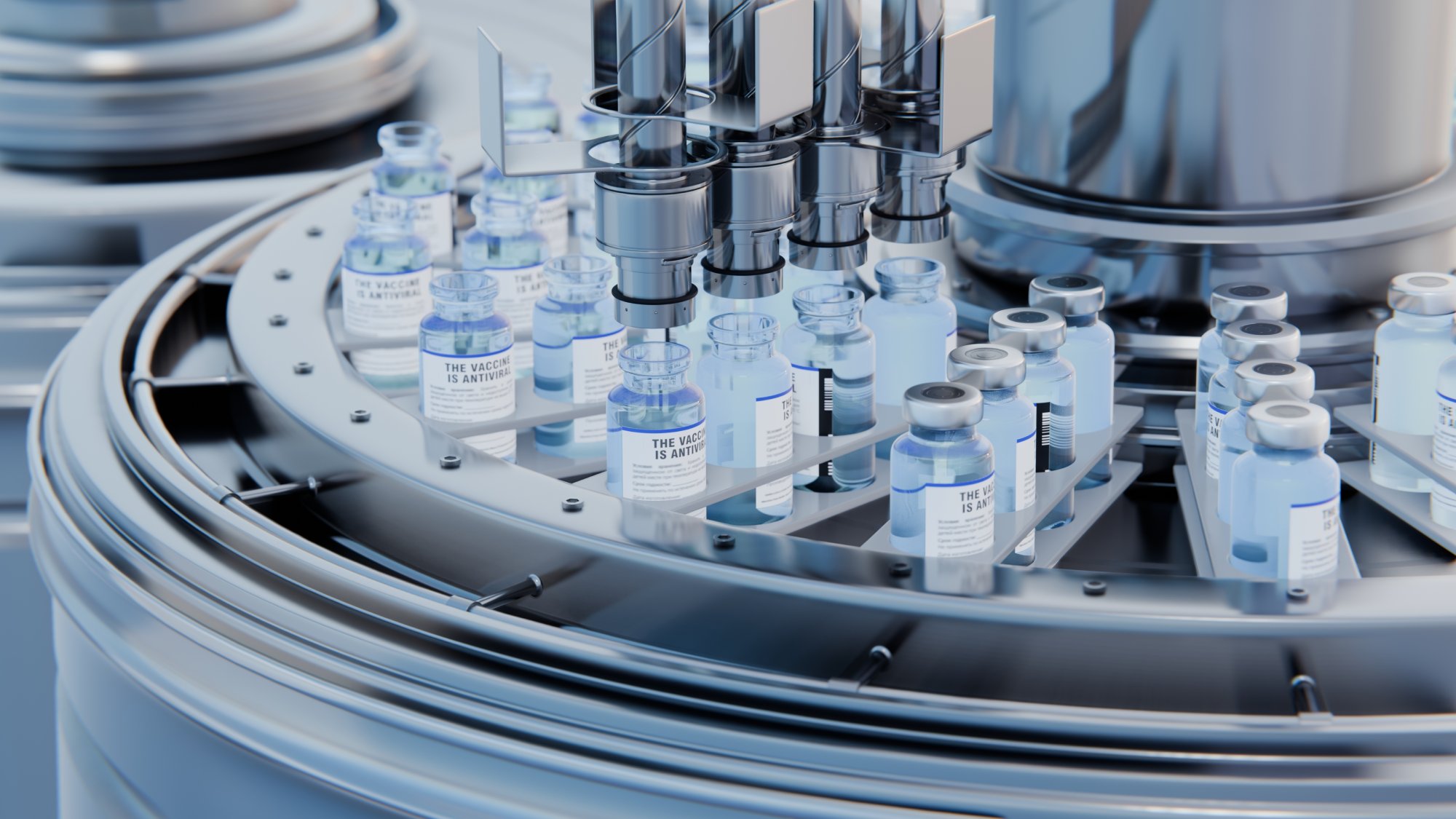
When pharmaceutical companies assess pharma bottle and packaging options, polyethylene materials frequently dominate early discussions. In particular, comparisons between LDPE vs HDPE chemical resistance arise when products involve liquid solutions or require long-term storage. While both HDPE and LDPE belong to the same polymer family, their physical properties, molecular structure and performance characteristics differ. These differences influence how packaging behaves during storage, transport and handling across the pharma production cycle and logistics chain.
LDPE and HDPE: A primer
Both low-density polyethylene and high-density polyethylene are produced from ethylene gas, but under different conditions within the manufacturing process. These conditions directly influence density, melting point and structural behaviour.
Low-density polyethylene (LDPE)
LDPE has a lower density and a lower melting point compared to HDPE.
This structure gives LDPE flexibility, which makes it suitable for packaging such as dropper bottles where controlled squeezing is required to offer easy dispensing. In thicker densities, it is also a capable wide neck storage medium for tablets, lozenges and pills.
High-density polyethylene (HDPE)
HDPE has a higher density than LDPE, which gives it greater structural integrity and resistance to deformation under load. Its linear molecular structure, where polymer chains pack tightly together, results in a rigid material that maintains shape under stacking, palletisation and repeated handling.
HDPE also has a higher melting point and stronger resistance to temperature-related stress than LDPE. This makes it resilient to temperature variation during storage, transport or warehouse holding, without affecting container geometry or closure performance.
In practical terms, HDPE’s mechanical strength and chemical stability mean it is widely used for bottles and rigid containers that store liquid medications, powders and solid dose products.
LDPE vs HDPE chemical resistance in pharmaceutical environments
Both LDPE and HDPE resist many acids, alkalis and aqueous solutions commonly encountered in pharmaceutical processing and storage. This level of resistance is sufficient for a wide range of formulations, buffers and non-aggressive liquid medications.
However, chemical resistance is not absolute. Certain organic solvents, highly concentrated reagents or formulations with prolonged contact times can challenge polyethylene materials, particularly under elevated temperature or sustained load. In these scenarios, HDPE chemical resistance tends to remain more stable than LDPE due to its higher density and lower permeability, making it more suitable for industrial chemicals, concentrated liquid solutions and long-term storage applications where container integrity must be maintained.
The tightly packed molecular structure of HDPE reduces permeability and limits interaction between the container wall and its contents, resulting in excellent chemical resistance across a wide range of substances. In many applications, this translates to exceptional chemical resistance during prolonged storage or repeated chemical exposure, particularly when compared with LDPE under the same conditions.
LDPE also demonstrates good chemical resistance to many aqueous solutions and mild formulations, but its softer, more flexible structure can be more affected by sustained load, temperature variation or long-term exposure. As a result, LDPE is better suited to applications where flexibility or controlled dispensing is required, while HDPE is typically preferred where chemical stability and structural consistency over time are the priority.
For those considering material options, the team at CJK recommends getting in touch to request samples of both HDPE and LDPE containers so you can conduct performance tests before making your final decision.
Regulatory and compliance considerations
Packaging used for pharmaceutical products in the UK must align with domestic regulatory requirements, including standards enforced by the Medicines and Healthcare products Regulatory Agency (MHRA) and guidance set out within the good manufacturing practice. These frameworks govern the suitability of materials that come into contact with medicines.
HDPE is widely used within the UK pharmaceutical sector due to its stable material profile, predictable performance and low risk of interaction with contents under normal storage and transport conditions. Its chemical resistance and low permeability support compliance with expectations around container–closure systems, particularly where products are stored for extended periods or distributed across multiple sites.
For pharmaceutical companies operating across borders, packaging decisions must also accommodate international requirements, including FDA regulations in the United States and European standards applied across the EU. Using materials such as HDPE, which are well understood and widely accepted across regulatory regimes, helps reduce complexity when products are manufactured, stored or distributed internationally.
Packaging must continue to perform as intended as products move through storage, transport and distribution. Choosing materials with consistent mechanical and chemical behaviour will reduce the likelihood of container failure or rework, and support compliance throughout the full distribution pathway.
Environmental impact and plastic waste considerations
Regulatory requirements, reporting obligations and internal sustainability targets mean that environmental impact and plastic waste considerations are now a routine part of packaging evaluation in the pharmaceutical sector.
By this metric, HDPE products benefit from well-established recycling pathways in the UK and Europe, particularly for rigid containers. This infrastructure supports predictable end-of-life handling and has contributed to HDPE remaining a practical option within regulated supply chains where durability, consistency and compliance must be balanced against environmental considerations.
LDPE is also recyclable, but its recovery profile is more variable in practice. Flexible formats and lower material density complicate collection and sorting, and recycling outcomes depend on access to specialist streams rather than standard systems. For pharmaceutical packaging, this typically places greater emphasis on minimising material use, avoiding unnecessary complexity and selecting LDPE where its functional properties justify its inclusion.
How CJK supports pharmaceutical packaging requirements
CJK supplies a broad range of LDPE and HDPE packaging suited to pharmaceutical applications, including pharma bottles used for industrial, commercial and regulated environments throughout the world. We offer our customers:
- No minimum order quantity, supporting anything from sample batch testing to full pallet volumes.
- Fast and free UK dispatch, with all products shipped from UK stock and free mainland delivery on orders over £120 net.
- Consistent availability, with large volumes of standard and UN-approved containers held in stock.
- Expert support, with plenty of guidance on capacities, caps, tamper-evident fittings and compliance requirements.
- Samples available, so you can validate early-stage decision making before purchasing in volume.
For pharmaceutical products including liquids, powders and solid dose formats, HDPE and LDPE bottles offer predictable performance that supports product integrity during storage, transport and routine handling.
Contact our team to discuss your container requirements today.