
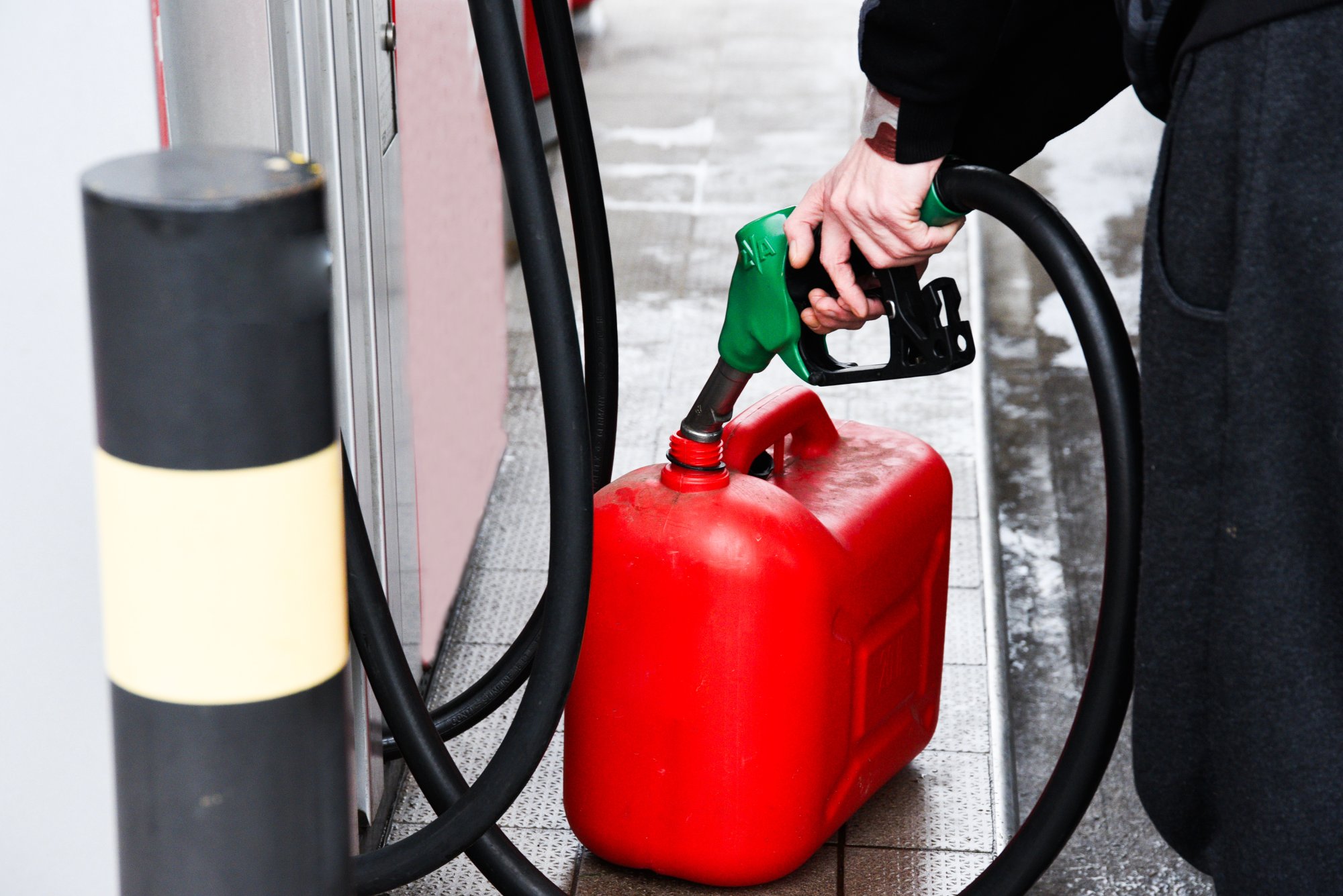
For teams using mowers, generators, chainsaws or site machinery, jerry cans are an effective way to keep fuel available between jobs. However, petrol and diesel are perishable and will not stay fresh indefinitely. Over time, they will oxidise and lose performance, especially if they are exposed to heat or poor handling.
Here, the fuel packaging specialists at CJK look at how long petrol can last in a jerry can, alongside some expert tips you can use to extend its usable shelf life.
Does petrol and diesel actually go off?
Petrol and diesel can both degrade in storage. A suitable jerry can is the most effective way to keep fuel protected between jobs, however fuel quality will still depend on how long it is stored and the conditions it is stored in.
Petrol is a blend of volatile compounds. Over time, some of the lighter components can evaporate, and the fuel will react with oxygen in the air space above it. This could lead to gums or residues that can affect carburettors, injectors and engine performance.
Diesel is heavier and less volatile, so it usually stores for longer than petrol. However, it is still affected by oxygen, moisture and contamination if storage conditions are poor. Modern diesel also needs to be protected from water ingress, as this can encourage microbial growth.
A jerry can provides a sturdy way to move and store fuels, and when kept in optimal storage conditions, will significantly lengthen the time to fuel stays fresh.
How long does petrol last in a jerry can?
The most reliable UK figure comes from the RAC: petrol typically has a shelf life of around six months in a sealed container at 20°C, dropping to about three months at 30°C.
It’s worth treating those numbers as general guidance, rather than a guarantee, because real-world shelf life will depend on how steady the storage temperature remains, and how reliable the seal is on the can itself.
How long will diesel last in a jerry can?
Diesel usually stays usable for longer than petrol, but it still has a shelf life. As a general guide, standard diesel should be used within six to 12 months when stored in good conditions.
The main risk with diesel is water. UK road diesel can contain up to 7% FAME biodiesel, which attracts moisture. If water gets into the container, it can encourage microbial growth, often called diesel bug. The resulting sludge can block filters and hamper engine performance.
The best defence against this is general FIFO warehouse practices, cool and dry storage and making sure your jerry cans are good quality with effective seals.
What makes stored fuel degrade?
Although there are several reasons why petrol and diesel can turn bad, the good news is that most are within your control:
Moisture. Water ingress and condensation feed phase separation of petrol, and microbial growth in diesel.
Oxidation and air space. A partially full can will have more air above the fuel, and this air space, known as ullage, speeds oxidation. The more air, the faster the fuel ages.
Heat and temperature fluctuations. Heat accelerates evaporation and oxidation, which is why petrol degrades so much faster at higher temps. Day-night temperature fluctuations will also drive condensation inside the can.
Light. Storing fuel in direct sunlight adds UV and heat, which increase degradation.
How to store fuel so it lasts longer
Using a jerry can will limit the access of air, heat, light and water to your stored fuels will make a huge difference to quality and longevity, alongside this advice:
Inspect regularly. A quick regular inspection for swelling, leaks, cloudiness or a sour smell catches problems early.
Minimise air space. Keep cans reasonably full to limit oxidation, but leave a little space for ullage and venting to avoid pressurisation.
Keep it cool and dark. Keep your jerry cans in a cool, ventilated place out of direct sunlight. Ideally, where temperature doesn’t fluctuate.
Seal it well. A tight fitting cap keeps vapours in and moisture out, so make sure every can is tightly sealed and properly secured.
Label and rotate. Mark each can with its fill date and run first in, first out so the oldest fuel gets used first.
What is the right kind of jerry can for my fuel storage needs?
CJK’s range of plastic jerry cans are made from food-grade high-density polyethylene (HDPE), which resists many water-based liquids and chemicals. These containers are capable of storing up to 10 litres of fuel in each.
These stackable products come with a range of secure and resilient dispensing taps and pumps that make pouring cleaner for general liquids. Where you will be moving flammable goods via road, our range of UN-approved hazardous-goods packaging is certified for the job, and offers an alternative to jerry cans when considering your storage options.
For more on selecting the best jerry can for your needs, see CJK’s guide to plastic jerrycans.
How CJK supports safe fuel and liquid storage
The right container will extend the shelf life of petrol and diesel by many months. CJK supplies HDPE plastic jerry cans and UN-approved hazardous-goods packaging to store fuel, liquids and dangerous goods safely. Our friendly team is available to discuss any questions you have around capacity, caps, tamper-evident fittings and the latest compliance rules. For petrol and diesel, we will point you toward a suitable plastic container within the legal size limits and the HSE guidance..
Why work with CJK:
- No minimum order quantity
- Fast and free UK dispatch
- Consistent availability
- Knowledgeable support over the phone or via email
- Samples available on request
With over 30 years of experience in industrial packaging, we operate from a purpose-built warehouse in Derbyshire, and hold extensive volumes across our range of HDPE jerry cans for fuel and liquid storage.
To choose the right container for your fuel, get in touch with the CJK team today.